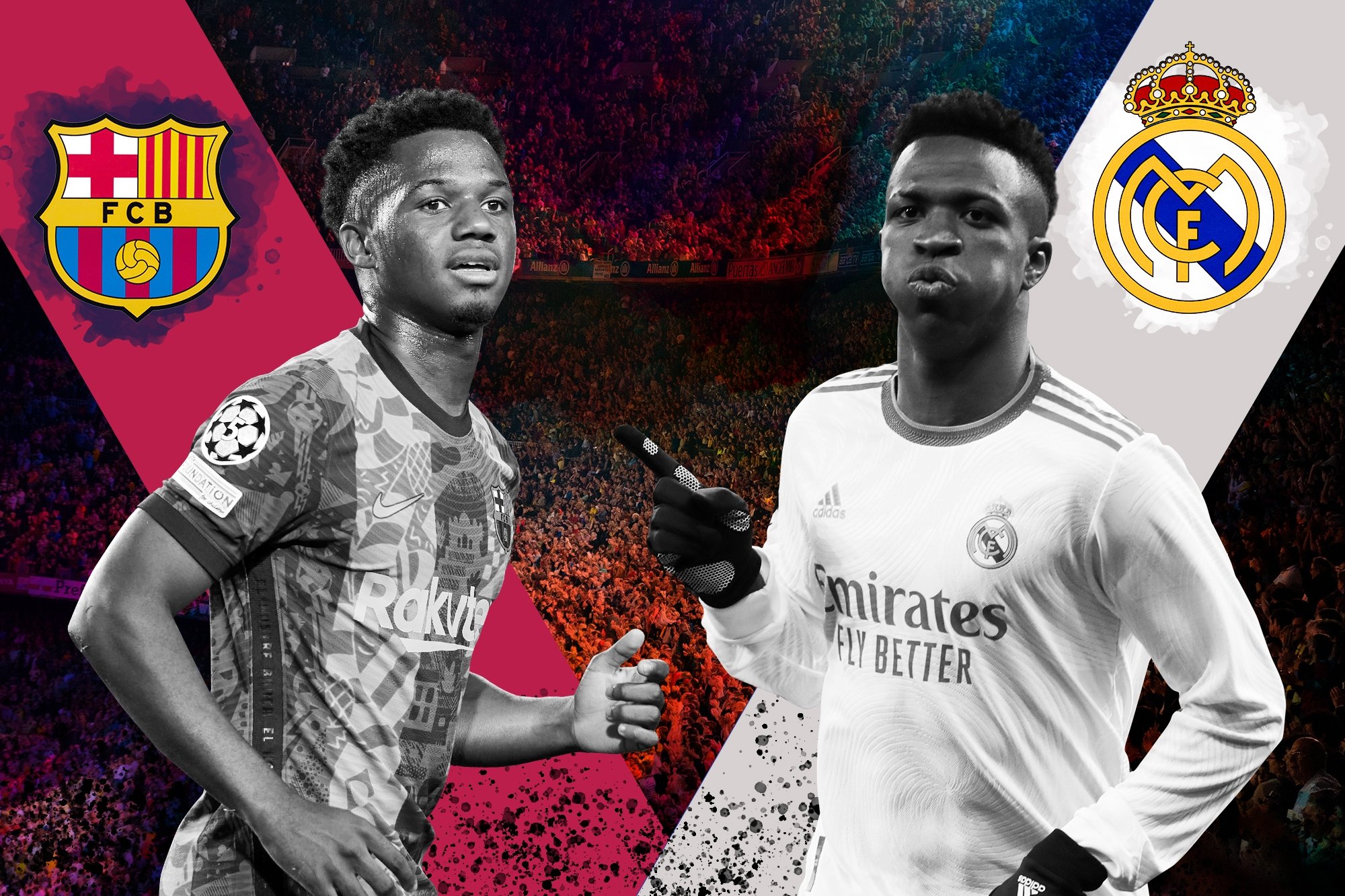
The Phenomenon That Transforms Spanish Gambling Markets
Every time Barcelona and Real Madrid face off in El Clásico, something extraordinary happens across Spain’s gambling landscape. The country’s betting volume surges by an estimated 340% during the 48-hour window surrounding the match, according to 2026 data from the Spanish Gaming Commission (DGOJ). This isn’t just about football passion—it’s about a cultural event that fundamentally reshapes how Spaniards engage with online gambling platforms.
The ripple effects extend far beyond traditional sports betting. Online casinos report a 180% increase in slot game activity during El Clásico weekends, as football fans migrate to digital platforms and explore other gaming options while waiting for kickoff. This cross-pollination between sports betting and casino gaming represents one of the most fascinating aspects of Spain’s modern gambling ecosystem.
What makes El Clásico unique isn’t just the rivalry—it’s the way it democratizes betting across demographic lines. Research from Universidad Complutense Madrid shows that during Clásico matches, 23% of bettors are placing their first-ever wager, with many discovering platforms like 20Bet through targeted marketing campaigns timed around these marquee fixtures.
Regional Betting Patterns: Madrid vs Catalonia Divide
The geographical split in betting behavior during El Clásico reveals fascinating insights into regional gambling preferences. Madrid residents show a 67% preference for pre-match betting, favoring traditional win-draw-win markets and goal totals. They tend to place larger, more confident wagers, with average stakes 43% higher than the national norm during Clásico fixtures.
Catalonian bettors, conversely, embrace in-play betting at rates 89% above the Spanish average during Barcelona matches. They’re more likely to hedge their positions, place multiple smaller bets, and engage with exotic markets like “first player to be booked” or “method of next goal.” This behavioral difference reflects deeper cultural attitudes toward risk and financial decision-making.
The Basque Country presents an interesting third dynamic. Despite neither team representing their region, Basque bettors show the highest engagement with accumulator bets during El Clásico, often combining the match outcome with other La Liga fixtures. Their average bet slip contains 4.7 selections during Clásico weekends, compared to 2.1 selections for regular La Liga matches.
The Slot Machine Spillover Effect
Perhaps most surprising is how El Clásico drives activity in Spain’s online slot gaming sector. Casino operators report that football-themed slots see a 290% surge in play during the week leading up to Clásico fixtures. Games like “Champions Cup” and “Football Fortunes” become temporary chart-toppers, displacing traditional favorites.
This phenomenon extends beyond football-themed games. Progressive jackpot slots experience unusual activity patterns during El Clásico periods, with average session lengths increasing by 34 minutes as players wait for match coverage to begin. The psychological connection between high-stakes football and high-volatility gaming creates a perfect storm for extended gambling sessions.
“We see players who normally stick to €0.20 spins suddenly trying €2 stakes during El Clásico weekends,” explains María Rodríguez, Head of Player Analytics at Gaming Insights España. “The emotional intensity of the match translates directly into risk appetite across all gaming verticals.”
Betting Market Innovation Driven by Clásico Demand
El Clásico has become a laboratory for betting innovation in Spain. Operators introduce new market types specifically for these fixtures, testing concepts that later roll out to other major matches. The 2026 Clásico at Camp Nou saw the debut of “VAR Decision Timing” markets, allowing bettors to wager on how long video reviews would take.
Microbetting has exploded during recent Clásicos, with operators offering odds on individual touches, throw-ins, and even player celebrations. These granular markets generate 15-20% of total Clásico betting volume, despite being unavailable for regular La Liga fixtures. The success has prompted expansion to Champions League and international matches.
Social betting features also peak during El Clásico. Friend-versus-friend betting pools see 450% higher participation rates, while live streaming viewership on betting platforms increases by 280%. The integration of social elements with gambling creates stickier user experiences that extend well beyond the 90-minute match window.
Economic Impact Beyond the Betting Shops
The economic ripple effects of El Clásico betting extend throughout Spain’s digital economy. Payment processors report transaction volumes 220% above normal during Clásico days, while customer service teams at major operators scale up by 300% to handle increased query volumes. The match essentially stress-tests Spain’s entire online gambling infrastructure twice per season.
Advertising spend around El Clásico has reached €47 million per fixture in 2026, according to industry tracker AdGaming Analytics. This represents 8.3% of the entire Spanish gambling industry’s annual marketing budget concentrated into just four days per year. The return on investment justifies this concentration—operators report customer acquisition costs 60% lower during Clásico periods compared to regular marketing campaigns.
Local businesses also benefit from the betting surge. Sports bars with betting terminals see revenue increases of 180% during El Clásico, while convenience stores selling lottery tickets and scratch cards report 45% higher sales in the week surrounding the match.
The Dark Side: Problem Gambling Concerns
El Clásico’s intensity creates concerning patterns for vulnerable gamblers. Spain’s gambling addiction helpline receives 67% more calls in the week following Clásico matches, with many callers reporting significant losses incurred during emotional betting sessions. The combination of alcohol consumption, social pressure, and heightened emotions creates a perfect storm for problematic gambling behavior.
“El Clásico represents both the best and worst of Spanish gambling culture,” notes Dr. Carlos Mendez, Director of Responsible Gaming at the Barcelona Institute of Addiction Studies. “The communal excitement is genuine and positive, but the pressure to participate financially can push vulnerable individuals over the edge.”
Self-exclusion requests spike by 34% in the 72 hours following El Clásico matches, particularly after games with controversial outcomes or heavy defeats for either side. Operators have responded by implementing enhanced cooling-off periods and mandatory spend limits for accounts showing erratic betting patterns during high-profile matches.
Technology and Data: The New Frontier
Advanced analytics have transformed how operators approach El Clásico betting. Real-time sentiment analysis of social media feeds helps adjust odds within seconds of team news or controversial incidents. Machine learning algorithms process over 2.3 million data points per match to optimize in-play pricing, creating more accurate markets and better user experiences.
Biometric betting represents the cutting edge of Clásico innovation. Pilot programs using smartwatch heart rate data to trigger responsible gambling interventions showed promising results during the October 2026 fixture. When users’ heart rates exceeded 140 BPM for more than 10 minutes while actively betting, automated cooling-off suggestions reduced average losses by 23%.
Virtual reality viewing experiences paired with integrated betting interfaces are being tested for future Clásicos. Early trials suggest VR betting could increase engagement time by 89% while potentially reducing overall spend through more immersive, entertainment-focused experiences rather than pure gambling thrills.
Future Trends: What’s Next for Clásico Betting
Cryptocurrency betting is gaining traction among younger Spanish gamblers, with Bitcoin wagers during El Clásico increasing 340% year-over-year in 2026. The pseudonymous nature appeals to digital natives who want to separate their football betting from traditional banking relationships.
Artificial intelligence-powered bet builders are becoming more sophisticated, with AI systems capable of creating personalized bet combinations based on individual viewing habits, historical betting patterns, and even social media activity. These tools could make El Clásico betting more engaging while potentially reducing the random, emotion-driven wagers that often lead to significant losses.
The integration of NFTs and blockchain technology promises to create new forms of collectible betting, where successful Clásico predictions become tradeable digital assets. While still experimental, early adoption suggests this could add a long-term investment angle to what has traditionally been pure gambling entertainment.